



Fast Payments. Low Fees. Post-Quantum Ready.
eCurrency is a fixed-supply Layer-1 blockchain built specifically for fast payments, with Falcon post-quantum cryptography, no-lockup staking, low fees, client-side contracts and lightweight token support.
The internet economy runs on digital payments. Few Layer-1 blockchains are purpose-built specifically for programmable internet payments. eCurrency is designed to fill that gap — a fixed-supply Layer-1 designed specifically for programmable, deterministic value transfer at global scale.

A Blockchain Designed for Programmable Payments
eCurrency is a blockchain network built to support programmable digital payments across the internet. Its architecture combines a transparent UTXO transaction model with Proof-of-Stake consensus and client-side smart contract logic. This enables flexible payment behaviour while maintaining efficiency and security. The ECR digital asset powers transactions, staking, and participation in the network economy.
eCurrency: The Programmable Payment Blockchain
// ABOUT TECHNOLOGY //
An Integrated Blockchain Architecture
eCurrency combines several complementary technologies to support programmable payments at scale. This integrated architecture ensures secure, efficient, and flexible value transfer across the network.



10-Second Blocks
Provides transparent value tracking and efficient transaction validation.

Proof-of-Stake Without Lockups
Participants can support consensus while maintaining liquidity of their ECR.

Client-Side Smart Contracts
Enable programmable payment logic without increasing the complexity of the blockchain.

Post-Quantum Protection
Cryptography designed for long-term resilience against emerging quantum computing threats.

The Economic Layer of the eCurrency Network
ECR is the native digital asset powering the eCurrency blockchain. It enables transactions, staking participation, and interaction with programmable payment systems.
// ECR is used for //

01
Executing transactions on the network

02
Supporting Proof-of-Stake consensus

03
Enabling programmable payment interactions
Tools and Infrastructure Supporting the Network
The eCurrency ecosystem provides the tools and infrastructure for users, developers, and validators to interact with the network.
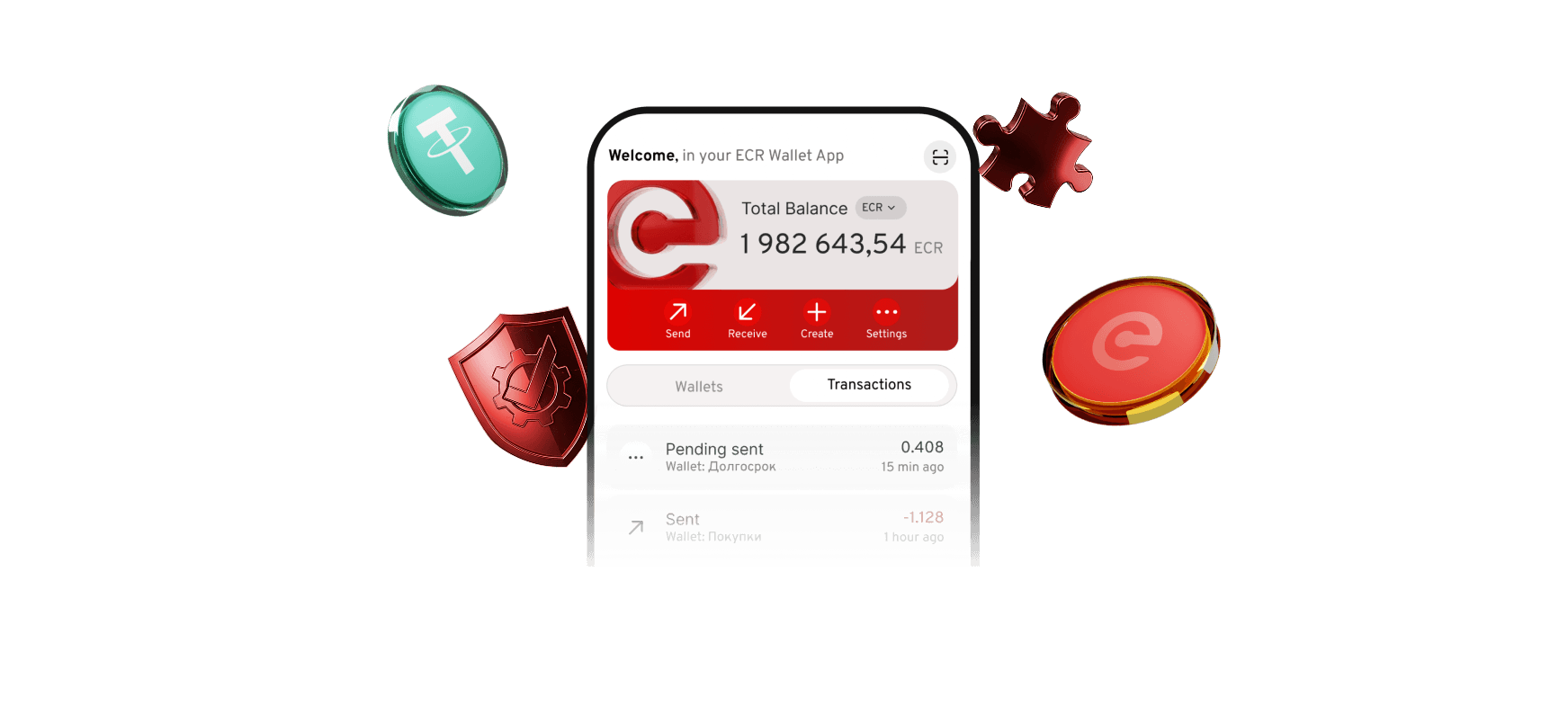
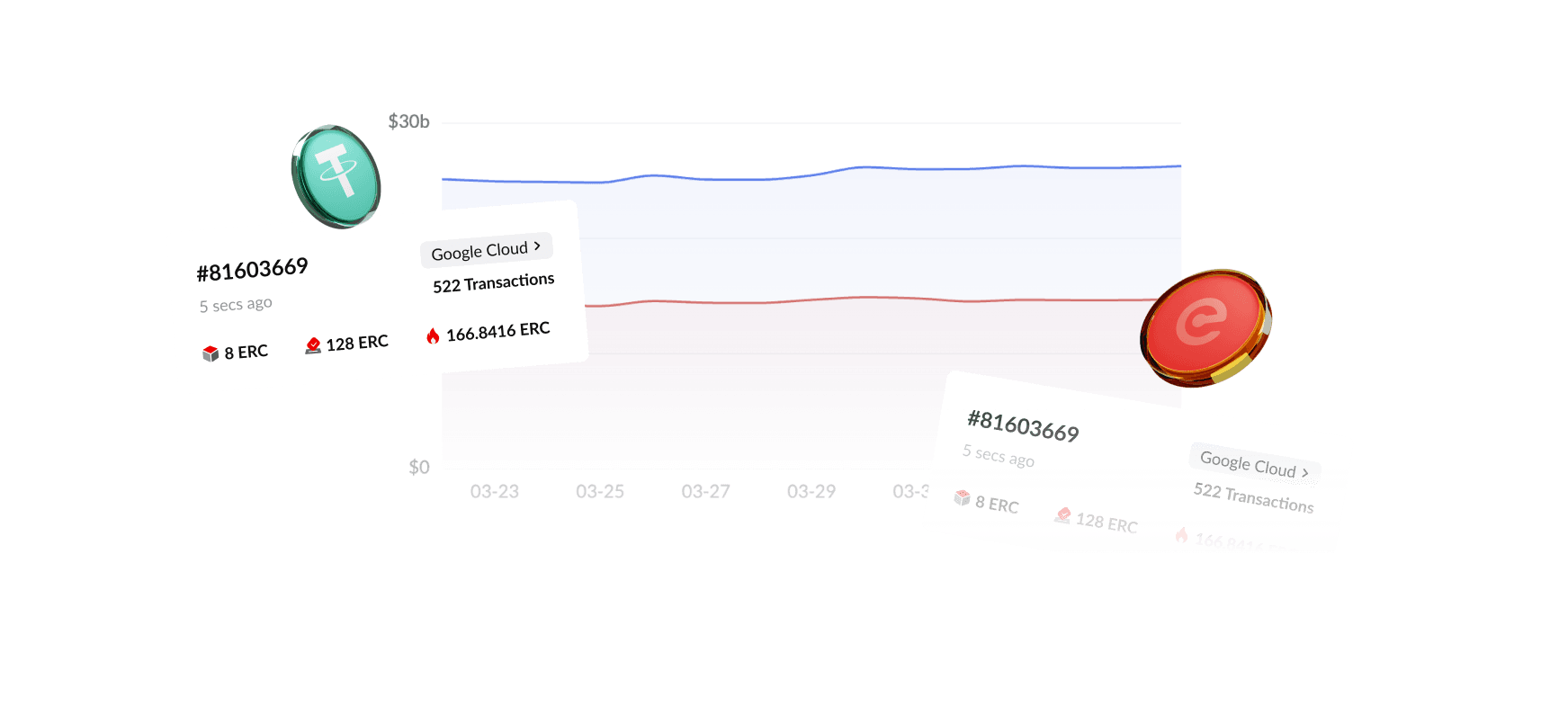


Build Programmable Payment Systems
The architecture allows developers to integrate programmable payments and digital assets without requiring complex on-chain contract execution. Developers can create:


Start Exploring eCurrency
Discover the network, engage with the ecosystem, and begin interacting with programmable payments.
10-Second Blocks
Deterministic block production every 10 seconds — no waiting, no unpredictable confirmation times.

Capped Supply
~316M ECR circulating, ~318M ECR max supply. New coins enter only through a fixed, halving block reward.

Negligible Fees
Transaction fees stay negligibly low, supported by the network's zero-fee transaction allowance and Reward Fund design.

Post-Quantum Security
Built with Falcon, a NIST-standardised post-quantum signature scheme — secured against both classical and quantum threats.

Learn More About Products
10-Second Blocks
Deterministic block production every 10 seconds — no waiting, no unpredictable confirmation times.
Capped Supply
~316M ECR circulating, ~318M ECR max supply. New coins enter only through a fixed, halving block reward.
Negligible Fees
Transaction fees stay negligibly low, supported by the network's zero-fee transaction allowance and Reward Fund design.
Post-Quantum Security
Built with Falcon, a NIST-standardised post-quantum signature scheme — secured against both classical and quantum threats.
Learn More About Products
The Road Ahead
The evolution of eCurrency from a secure blockchain foundation to a global payment network.
Foundation
Core Layer 1 blockchain: fixed supply, Proof-of-Stake consensus, UTXO architecture, post-quantum cryptography.
Network Infrastructure
Public nodes, REST API, Docker support, testnet environment for decentralized access.
Developer & User Access
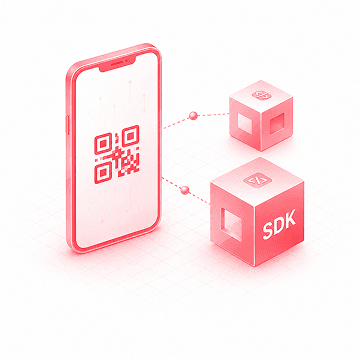
Mobile wallets (iOS/Android), public RPC endpoints, SDKs, developer onboarding.


Institutional Readiness
MiCA compliance framework, regulatory alignment for intermediaries, institutional integrations.


Global Liquidity
Exchange listings, market-making partnerships, institutional integrations.
Payment Ecosystem
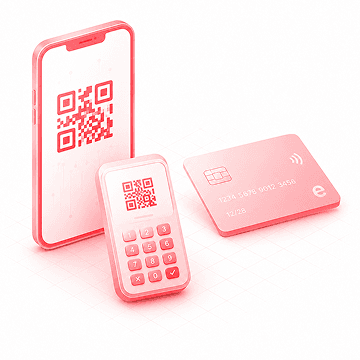
Merchant solutions, payment gateways, QR payments, microtransaction infrastructure.

Scalable Infrastructure
Layer-2 channels, off-chain solutions, cross-chain interoperability.


Scalable Infrastructure
On-chain governance, ecosystem grants, core digital value transfer infrastructure.
FAQ
What is eCurrency?
eCurrency (ECR) is a fixed-supply Layer-1 blockchain built specifically for digital payments. It has been live since 2018, uses a UTXO-native Proof-of-Stake consensus with 10-second block intervals, and includes native post-quantum cryptography. It is not a general-purpose platform. Every architectural decision was made with payments in mind.
What is the total supply of ECR?
eCurrency has approximately 316 million ECR in circulation, with a max supply of roughly 318 million ECR. The circulating base of 316,219,273 ECR was migrated from the legacy proof-of-work chain when the one-way migration window closed on 1 March 2026. Of the 333,333,333 ECR originally issued at genesis in 2018, roughly 17.1 million was never claimed and is permanently excluded from circulation. A necessary protocol upgrade on 1 August 2026 introduced a fixed per-block validator reward of 0.1 ECR, halving approximately every three years (around 10 million blocks). Over the full schedule, this is estimated to add around 2 million ECR to total supply. Current circulating supply is visible live on the Explorer https://ecurrency.org/explorer.
How does staking work on eCurrency?
eCurrency uses a non-bonded Proof-of-Stake model. Validators don't lock up capital and there are no withdrawal queues, so any ECR holder can participate while keeping full liquidity. Validator rewards combine a share of transaction fees with a fixed per-block reward, both routed through the Reward Fund. Fees from confirmed transactions and the block reward flow into the fund, and validator payouts are drawn from it, smoothing rewards so validators receive roughly consistent payouts rather than fluctuating amounts. Since the 1 August 2026 upgrade, validators who sign conflicting blocks at the same height are subject to slashing, which protects the network against equivocation.
What makes eCurrency different from other blockchains?
Most blockchains were built for general-purpose computation and adapted for payments afterward. eCurrency was designed for payments from the start. Key differences: a capped supply on a fixed halving schedule, 10-second block times, deterministic UTXO accounting, client-side smart contracts without gas fees, and Falcon post-quantum cryptography, selected by NIST for post-quantum standardisation.
Does eCurrency support smart contracts?
Yes, through a Client-Side Smart Contract (CSSC) architecture. Contract logic executes off-chain; the blockchain verifies state transitions on-chain. This eliminates gas fees, removes re-entrancy attack risks, and keeps the network lightweight, functioning as a deterministic settlement engine rather than a global virtual machine (VM) that executes every contract on-chain.